Wisdom Teeth Removal and Headaches: Is There a Link?
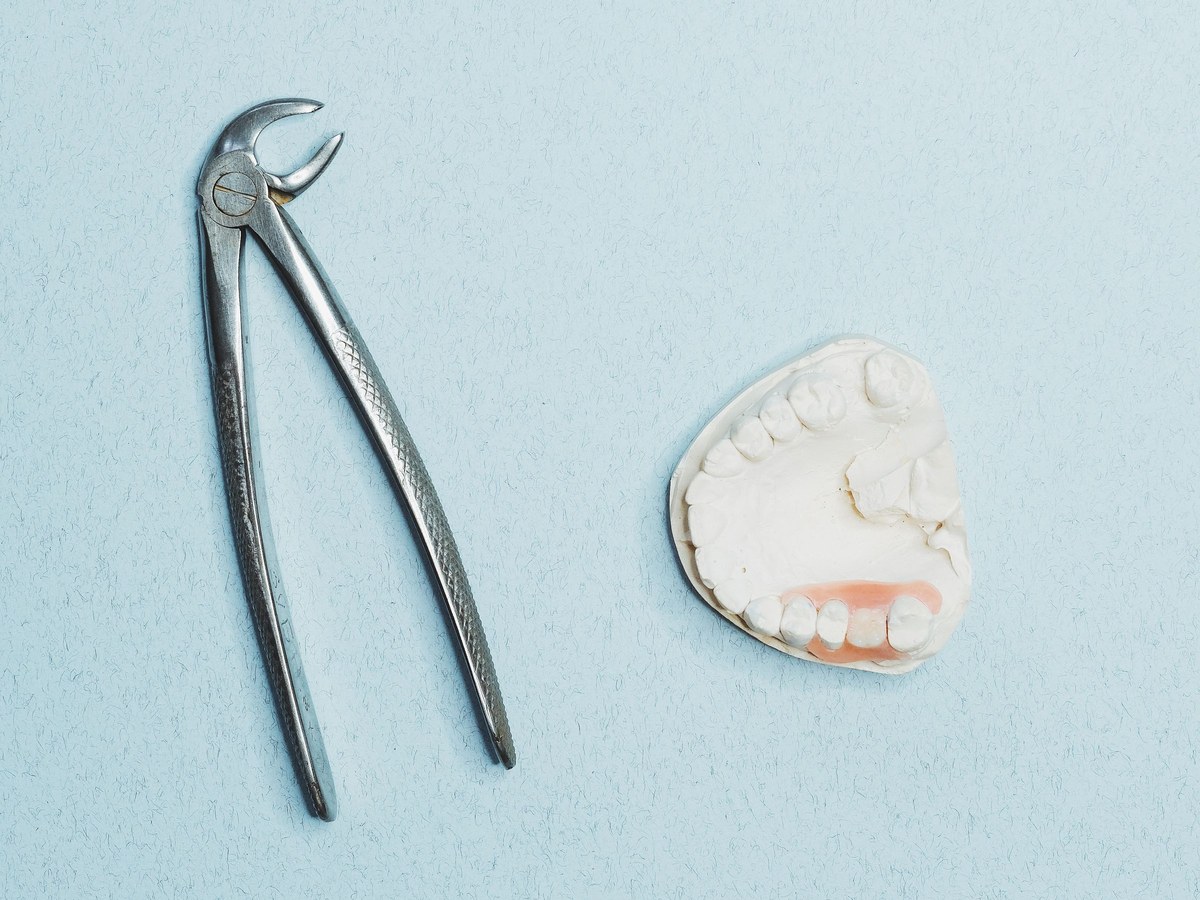
Headaches after dental work can feel unsettling, especially when the procedure was supposed to solve a problem, not create a new one. It is common for patients to wonder whether wisdom teeth removal and headaches are connected, or whether the timing is just bad luck. In practice, there can be a link, but it is rarely as simple as one direct cause. More often, the headache comes from a cluster of factors that surround the extraction itself: jaw strain, muscle tension, inflammation, bite changes, poor sleep, dehydration, medication effects, or an infection that was already brewing before the tooth came out.
That nuance matters. A mild headache the day after surgery usually falls into the expected range of recovery. A severe headache with swelling, fever, or worsening pain several days later deserves a closer look. The distinction is not academic. It can shape whether someone should rest, change home care, call the oral surgeon, or seek urgent attention.
Having seen how patients describe this discomfort, one pattern stands out. Many people use the word “headache” to describe several different sensations. One person means a tight band across the temples. Another means pain behind the eyes. Someone else points to the jaw joint in front of the ear, then up toward the side of the head. Sorting out the pattern often explains the cause.
Why headaches can happen after wisdom teeth removal
Wisdom teeth removal is a surgical procedure, even when it goes smoothly and healing is uncomplicated. The tissues around the tooth are manipulated, the mouth may be held open for a long stretch, and the muscles of the jaw can end up irritated or fatigued. That alone can set off pain that radiates upward into the temples, forehead, or back of the head.
Inflammation is part of the story too. After an extraction, the body sends blood flow and immune activity to the area. Some swelling is normal. In a tight anatomical space like the jaw, that swelling can create a heavy, throbbing sensation that patients perceive as a headache. The effect is more noticeable when the lower wisdom teeth were impacted, when bone removal was needed, or when the procedure took longer than expected.
Stress plays a bigger role than many people expect. Even patients who stay calm in the chair may clench their jaw without realizing it. During recovery, discomfort can keep the shoulders tense and the neck stiff. A tension headache can easily follow, especially if the person sleeps poorly that first night.
There is also the issue of referred pain. The trigeminal nerve supplies much of the face, including the teeth, gums, jaw, and parts of the head. When tissue in one branch is irritated, the brain can interpret the signal more broadly. That is one reason dental pain sometimes seems to “travel.” A lower wisdom tooth problem can feel like ear pain, temple pain, or generalized headache rather than a clearly localized toothache.
The most likely causes, and how they feel
Not every post-extraction headache comes from the same mechanism. The details matter, particularly the timing, location, and quality of pain.
Jaw muscle strain and TMJ irritation
This is one of the most common explanations. If your mouth was open wide for a prolonged time, the chewing muscles may be sore, and the temporomandibular joints can feel irritated. People often describe this as tightness near the temples, ache in front of the ears, or pain that worsens with chewing. Sometimes there is limited opening for a few days, which can make the muscles feel even more guarded.
A practical example is the patient who says, “My extraction site is sore, but the part bothering me most is the headache when I wake up, and my jaw feels stiff.” That pattern often points to overnight clenching on top of muscle strain from the procedure. It is uncomfortable, but usually self-limited.
Inflammation and normal surgical soreness
A dull, pressure-like headache in the first 24 to 72 hours can simply be part of normal recovery. It tends to travel with swelling and soreness near the extraction site. If pain is gradually improving, swelling is stable or starting to come down, and there are no red-flag symptoms, this is usually not alarming.
That said, “normal” does not mean trivial. Wisdom teeth removal can be more demanding than patients anticipate, particularly with impacted lower molars. It is reasonable to need scheduled pain control, softer foods, extra hydration, and more rest than expected.
Dehydration, low calorie intake, and caffeine withdrawal
This cause gets overlooked constantly. Patients are told to eat soft foods and avoid certain drinks, but some end up taking in very little fluid or calories, especially if they are nervous about dislodging the clot or if swallowing feels unpleasant. Add a morning coffee habit that suddenly stops, and a pounding headache can show up by midday.
I have seen patients worry that something is wrong with the extraction itself, when the problem is really that they had half a yogurt, skipped water, and missed their usual caffeine. The extraction site matters, of course, but the whole body is trying to recover too. Headaches love dehydration and abrupt routine changes.
Medication effects
Pain medicine can help, but it can also muddy the picture. Some prescription pain medications can trigger nausea, dizziness, or a foggy headache in certain people. On the other hand, under-treating pain can lead to more clenching, less eating, and worse sleep, which also worsens headaches.
The answer is not always “take less” or “take more.” It is to match the medication plan to the person, using the dentist or surgeon’s instructions as the guide. If a specific medicine seems to make the headache worse shortly after each dose, that is worth mentioning to the prescribing office.
Dry socket
Dry socket deserves special mention because many patients have heard the term and worry about it immediately. A dry socket happens when the blood clot at the extraction site dissolves Wisdom Teeth Removal or becomes dislodged too early, leaving bone and nerve endings exposed. The pain is often intense, deep, and radiating. It may spread to the ear, temple, or side of the head, which is why people sometimes mistake it for a severe headache.
The timing offers a clue. Dry socket pain usually appears or sharply worsens around day 2 to day 5 after the extraction, rather than peaking right away. It often comes with bad breath or an unpleasant taste. It is much more than “ordinary soreness.” Patients often say they knew something had changed because the pain became stronger, more focused, and harder to control.
Infection or sinus involvement
Upper wisdom teeth sit close to the maxillary sinuses in some people. After removal, pressure or discomfort in the cheekbones, around the eyes, or in the forehead can occasionally feel sinus-like. More commonly, a person may already have sinus pressure or congestion and notice it more after surgery.
A true infection after extraction is less common than routine postoperative pain, but it matters. Worsening throbbing pain, swelling that keeps increasing after the first few days, fever, pus, or a foul taste should not be brushed off. Infections can cause headaches, but by the time the headache is the main complaint, there are often other warning signs too.
When the headache is probably part of normal healing
Most uncomplicated headaches after wisdom teeth removal improve with time, rest, fluids, and good pain control. The extraction site may ache, the jaw may feel stiff, and the temples may feel tender. These symptoms are unpleasant, but they usually follow a predictable arc. The first two or three days are often the toughest. Swelling often peaks around the second or third day, then starts to settle. Mouth opening gradually improves. The need for pain medication decreases rather than increases.
That general pattern is reassuring. So is a headache that responds to the pain plan provided by the dental team, especially when it does not bring new swelling, fever, or a bad taste in the mouth.
Some patients also notice that their headaches improve once the original wisdom tooth problem is gone. Impacted or partially erupted wisdom teeth can create chronic gum inflammation, referred pain, nighttime clenching, and repeated episodes of tenderness that show up as temple or jaw pain more than obvious tooth pain. In those cases, the procedure may cause a short-term headache but solve a longer-term source of discomfort.
Signs the headache needs a call to the dentist or oral surgeon
A simple rule helps here: if the pain is getting worse rather than better, especially after the first couple of days, it deserves attention. That does not always mean something serious is happening, but it is worth checking.
Here are the situations that should raise concern:
- The headache becomes severe or sharply worsens around days 2 through 5, especially with pain radiating to the ear or temple.
- You develop fever, increasing facial swelling, pus, or a foul taste or odor.
- The pain medication that was helping suddenly stops controlling the pain.
- You have trouble opening your mouth, swallowing, or keeping fluids down.
- You notice numbness that persists, new vision changes, or a headache that feels very different from anything you have had before.
Those scenarios can point to dry socket, infection, significant inflammation, or a problem unrelated to the extraction that just happens to overlap in time. Severe headache with neurological symptoms, chest symptoms, or breathing difficulty needs urgent medical evaluation rather than watchful waiting.
Headache location can offer clues
Patients often assume that all headaches after dental work mean the same thing, but the location can be useful. A temple headache often points toward jaw muscle tension or clenching. Pain around the cheekbones or behind the eyes can suggest sinus pressure, especially after upper tooth work. Deep pain that tracks from the extraction site toward the ear can fit dry socket or referred dental pain. A diffuse, whole-head pounding headache after not eating or drinking much is often dehydration, caffeine withdrawal, or both.
There are exceptions, and no location is diagnostic on its own, but the pattern helps a clinician ask the right follow-up questions. When did it start? Is it improving or escalating? Is the extraction site itself tender? Does chewing make it worse? Is there swelling, fever, or a bad taste? That line of questioning often gets to the answer faster than the word “headache” alone.
What actually helps at home
The best home care is usually not dramatic. It is consistent, boring, and effective. Good recovery after wisdom teeth removal often comes down to lowering inflammation, supporting the clot, preventing dehydration, and keeping muscles from tightening up more than they need to.
For the first day or two, cold packs can help with swelling and the heavy, throbbing feeling that often feeds a headache. Later, gentle warmth may help jaw stiffness more than ice does. This is one of those practical details that patients figure out by feel. If the face looks puffy and feels hot, cold usually wins. If the swelling has eased but the jaw feels locked and sore, warmth often gives better relief.
Hydration deserves more emphasis than it gets. Small, frequent sips count. Cool water, broths, smoothies eaten with a spoon if straws are restricted, and soft foods with some protein and salt can make a real difference. A person who manages fluids and calories reasonably well almost always feels better than the person who white-knuckles recovery on pain medicine alone.
Sleep position can help too. Resting with the head slightly elevated can reduce throbbing and swelling. It is not magic, but many patients notice less pressure that way, especially the first few nights.
The other often-missed fix is reducing clenching. After oral surgery, people guard the area unconsciously. Their teeth touch more than usual, their shoulders rise, and by evening they have both jaw pain and headache. Simply noticing and relaxing the jaw, lips closed and teeth apart, can take some load off the temples.
A short recovery checklist that often prevents headaches from spiraling
- Take pain medication exactly as directed, rather than waiting until the pain is severe.
- Drink fluids steadily through the day, even if you do not feel very hungry.
- Eat soft, easy calories so your body is not recovering on an empty tank.
- Use cold or warm compresses based on whether swelling or stiffness is the bigger issue.
- Protect your sleep and avoid unnecessary jaw strain, including gum chewing and wide yawning.
None of these steps replaces professional advice, but together they address the most common reasons a manageable headache turns into a miserable one.
When the wisdom teeth were causing headaches before surgery
Sometimes the question is reversed. Instead of asking whether wisdom teeth removal causes headaches, patients ask whether wisdom teeth were causing headaches in the first place. The answer is, sometimes, yes.
Partially erupted wisdom teeth can leave a flap of gum tissue that traps bacteria and food. That can create repeated inflammation and a steady ache that radiates upward. Impacted teeth can contribute to jaw tension, especially if they are associated with painful chewing or a bite that feels off. In some people, chronic dental discomfort shows up as temple pain or one-sided headaches more than classic tooth pain.
This is where clinical judgment matters. Not every headache in a 20-year-old with wisdom teeth is caused by those teeth. Migraine, sinus disease, eye strain, neck tension, and sleep problems remain common possibilities. But if someone has recurring pain near the back of the jaw, gum swelling behind the second molars, bad taste, tenderness with chewing, and intermittent headache on the same side, the teeth deserve attention.
After extraction, those pre-existing headache patterns may disappear, lessen, or briefly flare before improving. That can make the recovery period confusing. A patient may say, “I used to get headaches from that side, and now I still have a headache, so did the surgery fail?” Usually, no. Early postoperative symptoms do not tell the whole story. The key is how things evolve over days and weeks, not just the first 48 hours.
Special cases worth knowing about
People who already have temporomandibular joint disorder, frequent migraines, or a history of tension headaches may be more likely to notice headaches after dental surgery. The extraction may not create a brand-new problem so much as aggravate an old one. In those patients, prevention helps. Better jaw support during the procedure, careful scheduling of pain control, and a realistic plan for hydration and rest can make recovery smoother.
Bruxism, or tooth grinding, is another factor. If someone grinds at night, the added soreness after wisdom teeth removal can make the jaw muscles even more reactive. The result is a temple headache that feels out of proportion to what the extraction site itself looks like. Patients are often surprised to learn that the socket can be healing normally while the jaw muscles are doing most of the complaining.
Age and complexity matter too. A straightforward eruption in a younger patient tends to heal faster than a deeply impacted lower wisdom tooth in someone older, where the roots are fully formed and the bone is denser. More complex extractions often bring more swelling and muscle soreness, which can mean more headache in the short term.
The practical bottom line
There is a real link between wisdom teeth removal and headaches, but it is usually indirect and explainable. Most headaches after the procedure come from normal inflammation, jaw muscle strain, clenching, dehydration, poor sleep, or medication effects. Those tend to improve steadily with good home care and time.
What should not be ignored is a headache that intensifies instead of easing, especially when paired with severe radiating pain, worsening swelling, fever, a foul taste, or trouble opening the mouth. Those clues can point to dry socket, infection, or another issue that needs the oral surgeon or dentist to step in.
For most people, the story is less dramatic than they fear. The jaw has been through a lot, the body is adjusting, and the head sometimes joins the protest. When the pain pattern fits normal healing, the right response is support and patience. When the pattern shifts or escalates, the right response is a phone call. Knowing the difference is what makes recovery feel manageable instead of mysterious.
Oxnard Dentistry
1730 E Gonzales Rd, Oxnard, CA 93036, United States
+1 805-307-8731
FAQ About Wisdom Teeth Removal
How painful is it to remove a wisdom tooth?
Local anesthetic numbs the area during extraction. Pressure may still be noticeable; tell the dentist if you feel pain. Soreness and swelling afterward are common. Follow the pain-control instructions provided for your situation.
How long is recovery for wisdom teeth extractions?
Recovery varies with the tooth position and complexity of the extraction. Some people resume routine activities quickly, while others need several days of rest. Soreness, swelling and jaw stiffness can last up to two weeks. Follow your clinician's aftercare and activity advice.
What are the risks of wisdom tooth removal?
Possible complications include dry socket, infection, persistent bleeding and changes in sensation from nearby nerve injury. Your dentist or oral surgeon should explain your individual risks before treatment. Seek prompt dental advice for bleeding that will not stop, fever, or severe or worsening pain and swelling.