Why Patients Love Veneers Oxnard CA Smile Solutions
A great smile changes more than a photo. It changes how people enter a room, how long they hold eye contact, whether they laugh without covering their mouth, and how they feel at a job interview, a first date, or a family celebration. That is one reason veneers continue to be one of the most requested cosmetic dental treatments in Southern California. In a place like Oxnard, where people value health, appearance, and practical long-term care, veneers often strike the right balance between beauty and function.
Patients looking into Veneers Oxnard CA options are usually not chasing perfection. Most are trying to solve a very specific frustration. Maybe their teeth look worn even though they take good care of them. Maybe they have a front tooth with stubborn discoloration that whitening never fixed. Maybe years of grinding, old bonding, chips, or uneven spacing have started to affect how they feel when they smile. Veneers appeal to these patients because they can address several concerns at once, often with a result that looks clean, natural, and tailored rather than obvious.
The affection people have for veneers is not hard to understand when the treatment is done thoughtfully. The best veneer cases do not announce themselves. Friends notice that someone looks refreshed, polished, healthier, more confident. They often cannot immediately say why. That subtle but meaningful shift is exactly what many patients want.
What veneers actually solve
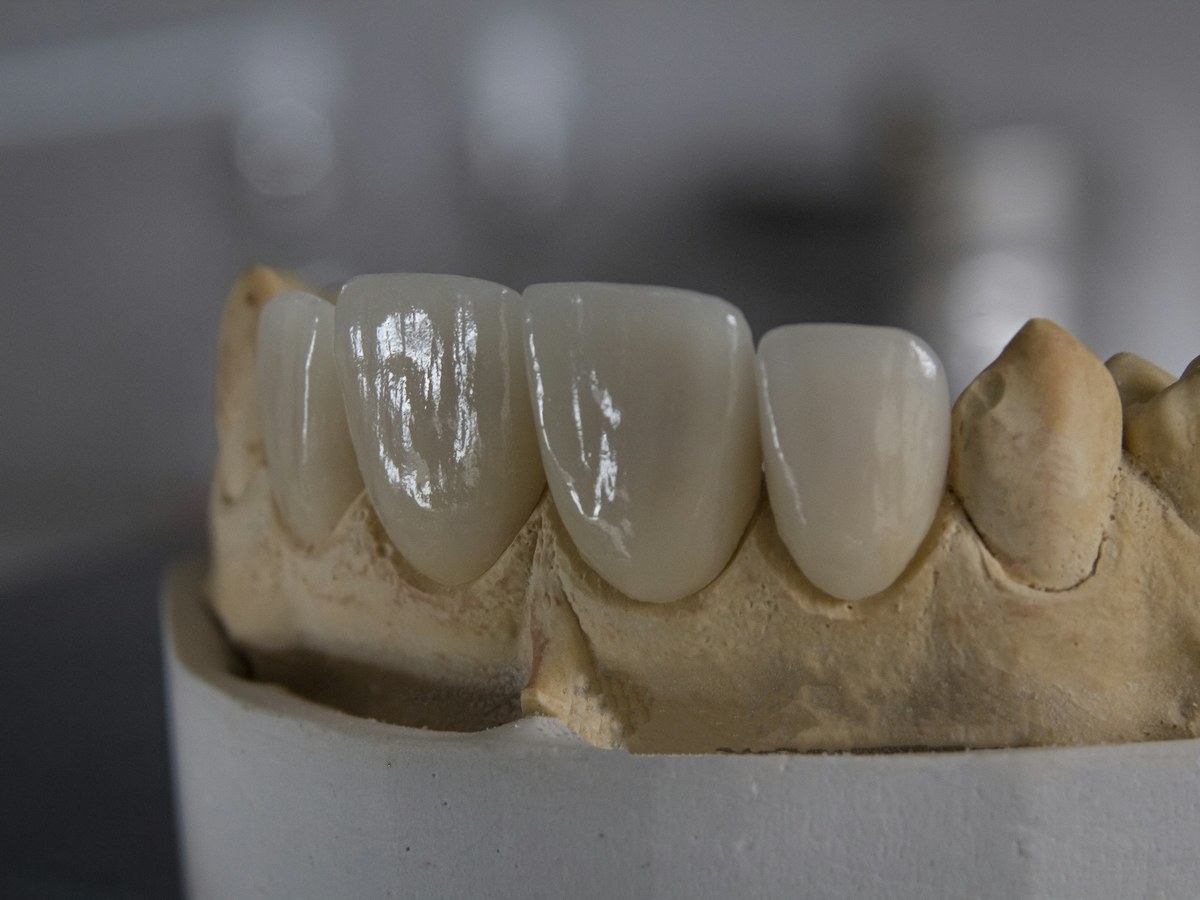
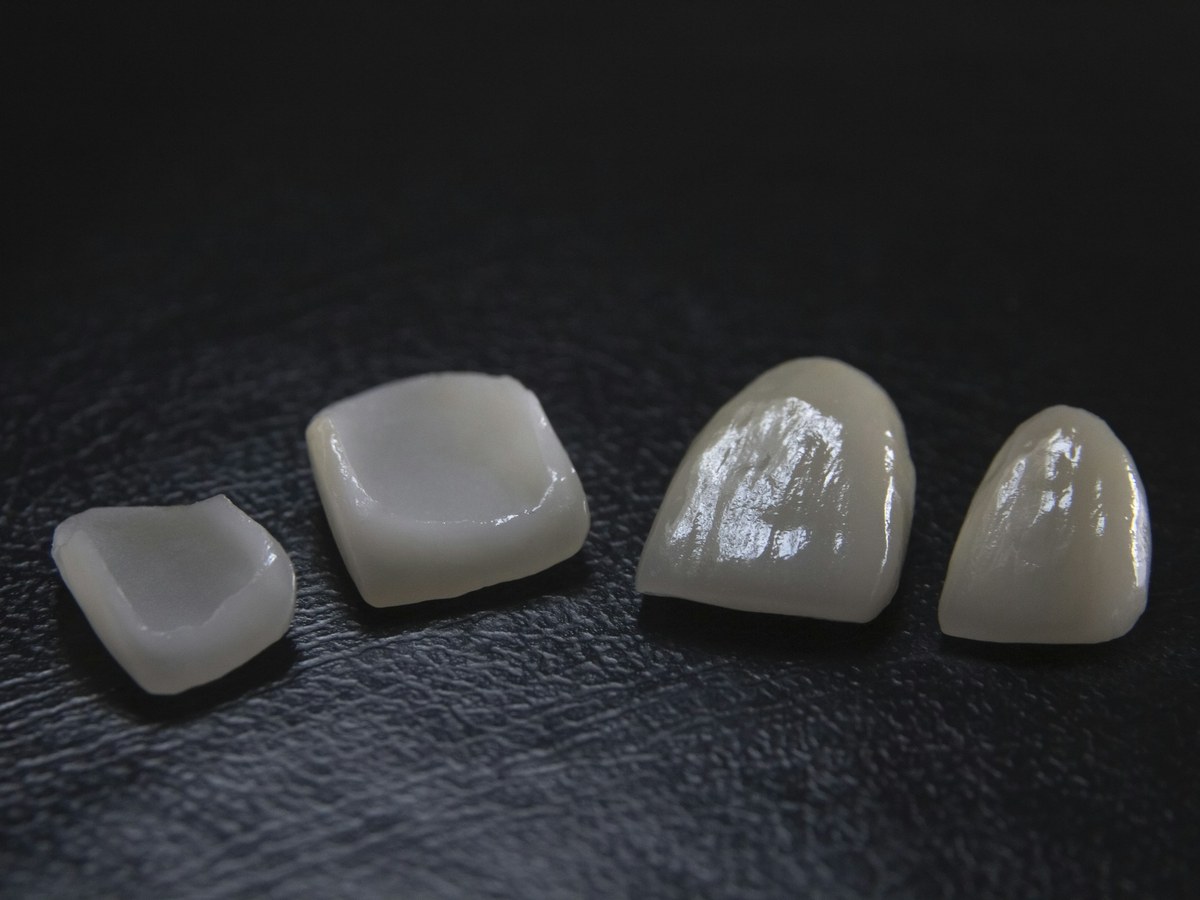
Porcelain veneers are thin restorations bonded to the front surface of teeth, most often the upper front teeth and sometimes the lower front teeth as well. They are designed to improve color, shape, proportion, and overall harmony. In the right case, veneers can correct multiple cosmetic concerns without the longer timeline of orthodontics or the compromises of repeated bonding repairs.
This matters because cosmetic complaints rarely come one at a time. A patient may have one dark tooth from an old injury, slightly uneven edges from wear, and small gaps that catch the eye. Fixing only one issue sometimes makes the others stand out more. Veneers allow a dentist to look at the smile as a whole rather than as isolated pieces.
That does not mean veneers are the answer for everyone. Good dentistry starts with diagnosis, not sales. If a patient has active gum disease, untreated decay, unstable bite issues, or severe grinding that has never been addressed, those problems need attention first. If whitening alone would solve the concern, a conservative dentist should say so. If orthodontics would preserve more natural tooth structure and create a better long-term result, that path deserves serious discussion. Patients tend to love veneer treatment when they feel it was recommended for the right reasons, not because it happened to be the most profitable option.
Why the result feels so satisfying
Much of the satisfaction with veneers comes from the blend of immediacy and customization. Compared with treatments that unfold over many months, veneers can produce a visible transformation on a relatively predictable schedule. For a patient who has spent years disliking a chipped front tooth or patchy enamel, that speed matters.
But speed alone is not what makes people enthusiastic. The real appeal is that veneers can be highly specific to the person wearing them. A well-designed veneer case is not just about making teeth whiter. It is about balancing facial features, Veneers Oxnard CA lip movement, tooth display, age, skin tone, speech, and bite function. A smile that suits a 28-year-old creative professional might not be the right look for a 58-year-old executive who wants refinement without flash. The best veneer planning respects that difference.
Patients often say they love veneers because they finally feel like their outside appearance matches how they see themselves. Someone who is outgoing but has always hidden their smile may feel a surprising emotional release after treatment. Someone who presents to clients every day may feel more polished and credible. Someone who spent years repairing the same chipped bonding may feel relieved to have a more durable, stable solution.
The Oxnard factor
Local context shapes what patients value. In Oxnard and the surrounding communities, patients often want cosmetic improvements that look elevated but believable. They are not necessarily asking for unnaturally bright, uniform teeth. In fact, many are wary of that look. They want a smile that photographs well in bright California light, looks healthy in person, and fits comfortably in daily life.
That preference affects material selection, shade, contour, and texture. Porcelain can be crafted with translucency and surface character so teeth reflect light in a way that resembles natural enamel. Tiny decisions matter. Edges that are too opaque can look flat. Shapes that are too square can feel harsh on some faces. Veneers that are too bulky can alter speech, trap lips awkwardly, and create a smile that looks manufactured. Patients love the outcome when these details are handled with restraint.
People searching for Veneers Oxnard CA care are also often practical. They ask smart questions about longevity, maintenance, and whether veneers are worth the investment. That is a good sign. Veneers are not a casual purchase. They are a meaningful elective treatment, and patients should understand both the benefits and the responsibilities that come with them.
The features patients mention most often
When patients describe why they are so pleased with their veneers, their comments tend to cluster around a few themes.
- They like that veneers can address several cosmetic issues at once, including chips, discoloration, shape problems, and small gaps.
- They appreciate that porcelain resists staining better than natural enamel and bonding in many cases.
- They enjoy the natural feel once the veneers are properly shaped and bonded.
- They value the confidence boost in social and professional situations.
- They often feel the treatment gave them a long-term upgrade rather than another temporary patch.
Each of those points deserves context. Stain resistance, for example, is real, but it does not make veneers maintenance-free. Coffee, tea, red wine, smoking, and poor hygiene still affect the overall look of a smile, especially at the edges and on adjacent natural teeth. Confidence is a major benefit, but it should not overshadow the need for functional planning. A smile that looks beautiful but chips repeatedly because the bite was not analyzed well will stop feeling like a luxury very quickly.
Why porcelain veneers tend to outperform repeated bonding repairs
Many patients considering veneers have already taken the patch-and-polish route. They may have had composite bonding placed on a chipped edge, then touched up, then repaired again after another fracture or discoloration. Bonding has an important place in dentistry. It is conservative, useful, and often the right first step. But it can have limitations, especially in high-stress areas or cases where several aesthetic factors need correction at once.
Porcelain tends to offer better color stability and surface luster over time. It also allows the ceramist to create nuanced anatomy that can be difficult to maintain with direct composite alone. In experienced hands, porcelain veneers can look more refined and hold that refinement longer.
Patients feel this difference in everyday life. They stop checking whether a repaired corner still matches the neighboring tooth. They stop noticing roughness where old bonding picked Veneers Oxnard CA up stain. They stop scheduling frequent touch-ups. That reduction in low-grade dental frustration is part of why veneer patients often become strong advocates for the treatment.
What the process usually feels like
A veneer case should never feel rushed, even if the visible timeline is relatively efficient. The emotional stakes are high because the front teeth are central to identity. Patients want to know their concerns are heard and that the final smile will not be chosen for them without discussion.
The planning phase is where trust is built. Good conversations cover what bothers the patient, what they like about their existing smile, how white they want to go, whether they prefer soft or more defined tooth shapes, and what their daily habits might mean for maintenance. Photos, digital planning, and mock-ups can help bridge the gap between imagination and reality. A patient who says, “I want natural,” may mean soft translucency and moderate brightness. Another patient using the same word may want a very polished, celebrity-style result that still avoids looking fake. Precision in communication matters.
Preparation day varies by case. Some veneers require minimal reduction of natural tooth structure, while others may need more shaping depending on alignment, existing restorations, and design goals. Temporary veneers often play an underrated role in patient satisfaction. They give people a chance to preview length, speech, and overall look before final placement. Patients frequently notice small things during the temporary phase, like how the edges feel when they talk or whether one tooth appears slightly too long in certain lighting. When those observations are welcomed rather than dismissed, the final result tends to feel far more personal.
Bonding day is usually the emotional peak. It is common for patients to react strongly when they first see the final smile. Sometimes the reaction is excitement right away. Sometimes it is quiet relief. Sometimes it is a strange moment of adjustment because even a beautiful change can take the brain a little time to accept. That adjustment period is normal. The people who do best are the ones who were well-prepared and involved throughout the process.
The confidence piece is real, but often understated
Dentists sometimes talk about smile confidence in broad terms, but in practice it is often much more specific. A patient might say she stopped smiling in family photos after one dark front tooth became more visible with age. A man in sales may explain that he learned to talk with less tooth display because worn edges made him look older than he felt. Another patient may have no trouble speaking publicly, yet still avoids close-up selfies and laughs with a hand over the mouth.
After veneers, these habits often disappear quietly. Not because the person becomes someone new, but because they no longer need the protective behavior. That is one of the most durable reasons patients love their result. They are not thinking about their teeth all day anymore.
There is also a professional dimension that patients do not always voice at first. Appearance is not everything, but presentation matters in many fields. Clean, healthy-looking teeth can influence first impressions, especially in careers that involve leadership, hospitality, real estate, media, or client-facing work. Veneers are not a shortcut to competence, of course, but they can remove a self-conscious distraction that had no good reason to stay.
What a good candidate usually looks like
The best veneer patients are not simply the people who want a nicer smile. They are the people whose goals, oral health, and habits align with what veneers can realistically deliver.
A strong candidate typically has generally healthy gums, manageable bite forces, and cosmetic concerns centered on the visible front teeth. That person understands veneers improve the front surface appearance but do not solve every dental problem. They are willing to wear a night guard if they grind. They attend routine checkups. They understand that surrounding natural teeth may still age, shift color, or need treatment over time.
Patients who are not yet ideal candidates can often become good candidates with preparation. Sometimes that means orthodontic movement first, so the veneer case can be more conservative. Sometimes it means treating gum inflammation or replacing failing old restorations. Sometimes it means having a frank conversation about expectations. If someone wants a result that defies anatomy or ignores function, the right answer may be to slow down or decline treatment.
Questions worth asking before choosing a provider
Selecting the right dentist for veneers matters as much as deciding to get veneers in the first place. Cosmetic dentistry sits at the intersection of health, design, and technique. Patients often focus on before-and-after photos, and those are useful, but they only tell part of the story. Communication style, preparation philosophy, laboratory partnership, and bite management all have a direct impact on how the veneers will look and how long they may last.
A helpful consultation should leave a patient better informed, not pressured. It should include a discussion of alternatives, limitations, maintenance, and the likely range of outcomes for that specific mouth. If every patient is promised the same idealized transformation, that is a warning sign. Faces differ. Bites differ. Enamel condition differs. Strong cosmetic dentists adapt rather than copy.
For people researching Veneers Oxnard CA, it is reasonable to ask about experience with minimally invasive cases, how temporaries are used, what happens if adjustments are needed, and how grinding or clenching is managed afterward. Those questions are not nitpicking. They go straight to long-term satisfaction.
Maintenance is simpler than people expect, but not optional
One reason patients continue to feel good about veneers years later is that daily care is usually straightforward. Veneers do not require a mysterious special regimen. They require disciplined ordinary care and a bit of common sense.
That said, there are a few habits that make a real difference:
- Brush thoroughly with a non-abrasive toothpaste and keep up with professional cleanings.
- Floss carefully around the gums to prevent inflammation that can affect the look of the smile.
- Wear a night guard if you clench or grind.
- Avoid using front teeth as tools for opening packages or biting hard objects.
- Keep an eye on adjacent natural teeth, which may still stain or wear differently over time.
Patients sometimes assume the porcelain itself is the only thing that matters. In reality, the gums and neighboring teeth frame the veneers. Even beautifully made restorations can look less impressive if the tissue around them is inflamed or if untreated issues on nearby teeth draw attention away from the result.
The trade-offs honest dentists discuss
People trust cosmetic recommendations more when the trade-offs are plainly addressed. Veneers can be outstanding, but they are still a commitment. Once teeth are prepared for conventional veneers, the patient is generally on a restoration path for those teeth moving forward. Veneers may last many years, but they are not considered lifetime devices.
Longevity varies based on material, bite, habits, oral hygiene, and execution. Some patients enjoy their veneers for well over a decade with minimal issues. Others need earlier maintenance or replacement, especially if they have heavy parafunctional habits or a complicated bite. Small chips, margin changes, gum recession, or wear on opposing teeth can become relevant over time. None of this makes veneers a poor choice. It simply means they should be chosen with open eyes.
Cost is another factor. Veneers are an investment, and because they are usually cosmetic, insurance coverage is often limited. Patients who love their result usually felt the value was clear before they started. They understood what they were paying for: planning, design, material quality, laboratory artistry, clinical skill, and follow-through.
Why natural-looking veneers are usually the most loved
Flashy smile makeovers attract attention online, but in real life, the veneer cases patients tend to love the longest are usually the ones that still look like they belong to the person. Not dull, not timid, but believable. The smile can be brighter, more even, and more youthful without losing character.
Natural-looking does not mean identical to the original teeth. It means appropriate proportion, lifelike surface texture, good integration with the lips and face, and color that complements rather than overwhelms. It also means respecting age. A little softness in contour can feel graceful and authentic. Overly uniform teeth can read as artificial, especially in close conversation.
Experienced clinicians know when to chase symmetry and when to leave the tiniest natural variations alone. Absolute symmetry is not always the most attractive outcome. Human faces are not mathematical drawings. Patients often respond positively to subtle individuality, even if they cannot describe it technically.
The emotional payoff tends to last
Novelty fades with almost every elective purchase. Veneers are different in one important sense. If they are well planned and well maintained, the benefit continues in repeated everyday moments. Brushing at night and liking what you see in the mirror. Speaking without worrying about a chipped edge. Smiling in a bright outdoor photo without angling your face to hide one side. Those gains are small individually, but they accumulate.
That is why so many patients speak warmly about their experience months and years later. They are not impressed only by the day of the reveal. They appreciate the absence of an old insecurity. They enjoy the way their smile now supports them rather than distracting them.
For people considering Veneers Oxnard CA, that may be the simplest explanation for their popularity. Veneers can solve visible problems, but the deeper value is often quieter. They help patients feel at ease with their own expression, and that ease shows up everywhere.
Oxnard Dentistry
1730 E Gonzales Rd, Oxnard, CA 93036, United States
+1 805-307-8731
FAQ About Veneers Oxnard CA
How long do porcelain veneers last?
Porcelain veneers can last for many years, but they can chip, loosen, or wear over time. Their lifespan depends on factors such as your bite, whether you grind your teeth, and daily care. Regular dental visits let your dentist check their condition.
Are dental veneers permanent?
Traditional veneers often require removing a small amount of enamel, so that change to the tooth is generally irreversible. Veneers can still need repair or replacement. Ask your dentist how much preparation your teeth would require.
How much do veneers cost in Oxnard?
Cost depends on the material, how many teeth you want treated, and whether you need other dental work first. Ask for a written estimate that explains the price per tooth and what is included.